Author of the month
George MacDonald Fraser
(1925 – 2008)
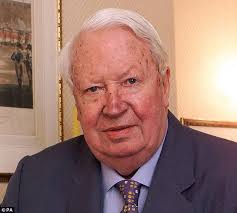
This month’s notable scribe is George MacDonald Fraser. In line with the theme of recent commentaries, Fraser (a journalist by occupation) has written widely over different genres including novels, historical non-fiction, short stories, autobiographies and screenplays. He is probably best known for his portrayal of Harry Flashman, the bully, cad and coward from Thomas Hughes’ novel “Tom Brown’s School Days”. This series of 12 novels captures the adventures of Flashman as he traverses the globe to appear in many historical events [ all described with remarkable accuracy], from the Crimean War, to Afghanistan, the Indian Mutiny, the Opium Wars in China and the American War of Independence (amongst others).
The humor in the Flashman series was repeated with The Pyrates, which incorporated many of the buccaneer villains who traversed the seas between England, the West Indies and the Coast of Western Africa. The humor was also particularly relevant to the McAuslan Series, which are semi-autobiographical short stories of a ragged soldier based on the author’s army involvement in North Africa and Scotland after World War II.
Fraser also had a very serious side to his writings, based on his appreciation of Scottish history. “The Steel Bonnets” is a history of the Border Reivers of the Anglo-Scottish Border and “The Candlemass Road” is a bloodthirsty account of the Border Reivers of the 16th century. Further, “Black Ajax” is a novel of the bare-knuckled 19th century black prizefighter Tom Molineaux.
In extending his writings to the big screen, George MacDonald Fraser wrote or co-wrote screenplays for “The Three Musketeers”, “The Four Musketeers”, “The Prince and the Pauper”, “Octopussy”,” Force 10 from Navarone” and “The Return of the Musketeers”. In addition, he wrote many scripts for works that were never filmed.
The final area in which he is particularly relevant is his memoirs, of which there are two books. “Quartered Safe out Here” sets out his experiences as an infantryman in the Border Regiment during the oft forgotten Burma Campaign of World War II. The description of a near death experience is particularly riveting. His second memoir, “The Light’s on at Signpost”, tells of his time writing for Hollywood [ reflections of which also from part of his “The Hollywood History of the World: From One Million Years B.C. to Apocalypse Now”], and give him the opportunity to shred political correctness and the UK Labour movement.