Author of the month
Arturo Perez-Reverte
(1951 – Present)
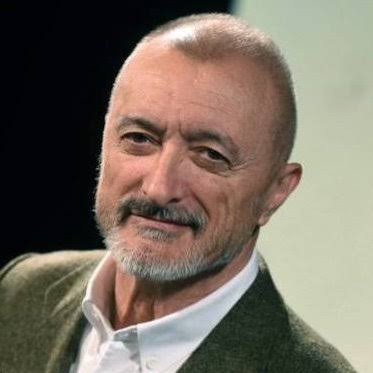
Reverting to an earlier theme, this month’s author had dual careers in journalism and writing novels. Originally, he worked as a journalist for the defunct newspaper “Pueblo” in Spain, then took on a role as a war correspondent for the Spanish state-owned television broadcaster Television Espanola for twenty-one years until 1994. Since 1994he has been a full-time novelist, drawing on Spanish history, the colonial past, art and culture, ancient treasures and the sea.
Perez-Reverte has written prolifically and always in his native Spanish language. He originally refused to have his novels translated from the original Spanish to any language other than French. However, English translations were eventually published for some of his books, but many have not been subject to translation, much to the pity of his admirers.
He is best known throughout the world for his series of Captain Alatriste adventure novels. These books are historical novels at their best, telling of the mysteries of the Spanish Court through the eyes of a tired dueling protagonist and his admiring young off-sider who gets himself into troubles of the heart with the Queen’s young ladies-in- waiting.
Outside of the Alatriste novels [of which there are eight, not all of which have been translated], the writer uses background Spanish historical events to set the scene for the themes of his hero’s tiredness, adventures, friendships, dangerous journeys, death and culture. Highly recommended in this area are “The Fencing Master”[where a mysterious lady requests lessons from a retired fencing master], “The Flanders Panel”[concerning the relationship between a serial killer and a mysterious medieval Flemish painting], and “What We Become”[ concerning a long romantic relationship set across the world between protagonists from different social classes].
Since 2003 Perez-Reverte has been a member of the Royal Spanish Academy.